

Food & Drink Manufacturing Companies for sale in United Kingdom
- Light Industrial Businesses1
- Computers / Electronics Manufacturing Businesses1
- Engineering Companies2
- Furniture & Wood Businesses3
- Home & Garden Manufacturing Businesses1
- Machinery Businesses1
- Other Manufacturing Businesses7
- Stationery & Office Supply Manufacturing Businesses2
- Steel Fabrication Businesses2
- Automotive Manufacturing Business1
- Garden Machinery Businesses1
- Glazier Businesses5
- Joiners & Joinery Businesses3
- Monumental Mason Businesses1
- Sign Maker Businesses27
- Stonemasons Businesses1
- Street & Festive Lighting Businesses1
- Powder Coating Businesses1
 B2B Flavour And Colour Manufacturing Business £150k EBITDA For SaleAyr, South Ayrshire, UKView moreAsking price:GBP £450 000
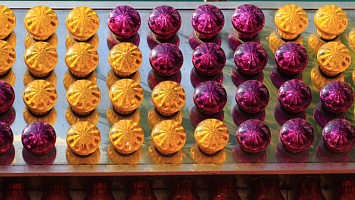 Kurdish Oriental Sweets Factory with Equipment for Sale in Birmingham West MidlandsBirmingham, West MidlandsView moreAsking price:GBP £69 000
 Award-Winning Food Producer in Kendal Cumbria with 17-Year HeritageKendal, CumbriaView moreAsking price:GBP £150 000
Business for sale by regions of United Kingdom

FAQ
- How do I identify the genuinely profitable products in a food manufacturer?Calculate contribution by SKU after ingredients, packaging, direct labour, waste, changeovers, promotions and customer rebates. Compare yields with approved recipes and production records; high-volume lines can destroy value when giveaway, downtime or retailer deductions are ignored.
- Which food safety records should I review before making an offer?Examine registration or approval status, HACCP plans, critical-control monitoring, hygiene audits, laboratory results and corrective actions. Check that records cover the actual products and processes, and investigate recurring non-conformities rather than relying on a current certificate alone.
- How can I test the manufacturer's traceability and recall readiness?Select finished batches and trace ingredients and packaging back to suppliers and forward to customers. Review mock-recall timing, stock reconciliation, complaint escalation and previous withdrawals; gaps may increase recall scope, customer penalties and reputational damage.
- What allergen risks should I examine in a food production site?Map allergens from goods-in through storage, scheduling, production, cleaning, labelling and dispatch. Check validated cleaning methods, label change controls and segregation evidence, then review near misses and complaints for signs that written procedures are not consistently followed.
- How should I assess dependence on supermarkets or large food-service customers?Measure sales and contribution by customer, contract and own-label range. Review audit scores, delisting rights, annual price negotiations, rebates, promotional funding and forecast accuracy, because a large account may provide volume while consuming cash and production flexibility.
- How much working capital will a food and drink manufacturer require?Model ingredient and packaging purchases, production lead times, shelf life, customer payment terms and seasonal stock peaks by month. Adjust for minimum runs, slow-moving packaging, expired goods, retailer deductions and the cash needed before a new range reaches steady sales.