

Other Manufacturing Businesses for sale in United Kingdom
- Light Industrial Businesses1
- Computers / Electronics Manufacturing Businesses1
- Engineering Companies2
- Food & Drink Manufacturing Companies3
- Furniture & Wood Businesses3
- Home & Garden Manufacturing Businesses1
- Machinery Businesses1
- Stationery & Office Supply Manufacturing Businesses2
- Steel Fabrication Businesses2
- Automotive Manufacturing Business1
- Garden Machinery Businesses1
- Glazier Businesses5
- Joiners & Joinery Businesses3
- Monumental Mason Businesses1
- Sign Maker Businesses27
- Stonemasons Businesses1
- Street & Festive Lighting Businesses1
- Powder Coating Businesses1
 DEFRA-Approved Premium Raw Pet Food Manufacturer, Staffordshire For SaleStafford, Staffordshire, UKView moreAsking price:GBP £180 000
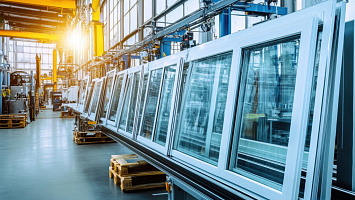 Birmingham UPVC Windows and Door Factory with Brand New Machinery for SaleTyseley, West MidlandsView moreAsking price:GBP £150 000
 Relocatable Packaging Equipment Business with £60,000+ Net Profit for SaleSolihull, West MidlandsView moreAsking price:GBP £175 000
 Toilet Tissue Production Line for Sale in Rainham LondonRainham, LondonView moreAsking price:GBP £150 000
 Readymix Concrete Manufacturing Company for sale in Slough BerkshireSlough, BerkshireView moreAsking price:GBP £7 000 000
 Bouncy castle hire and manufacturing business for sale in Rhyl DenbighshireRhyl, DenbighshireView moreAsking price:GBP £29 995
 London Blinds Manufacturing Business with Sky-high Sales Potential for SaleCity of London, LondonView moreAsking price:GBP £250 000
Business for sale by regions of United Kingdom

FAQ
- How can I understand a manufacturer that does not fit a standard sector?Start by mapping products, processes, customers and routes to market, then separate manufacturing income from distribution, installation and services. This reveals the real value drivers and determines which compliance, staffing and capital risks require specialist review.
- Which unit economics should I rebuild before valuing the company?Recalculate contribution by product or job using current material prices, direct labour, scrap, energy, subcontracting, freight and commissions. Compare standards with actual consumption and hours, then test whether low-margin lines occupy scarce capacity needed by stronger work.
- How do I find the factory's true production constraint?Review throughput, changeovers, downtime, queue time, rejects and labour coverage at each process. Compare rated capacity with demonstrated output during normal shifts; one ageing machine, approval stage or specialist operator may limit growth despite spare floor space elsewhere.
- What site and environmental checks are needed for a manufacturing acquisition?Identify permits, exemptions, discharge consents, waste arrangements, emissions controls and hazardous-material storage relevant to the actual processes. Review inspection history and landlord obligations, then obtain specialist assessment where contamination or costly compliance work could remain with the site.
- How should I treat customer-owned materials and tooling?Separate them from company assets and reconcile physical quantities to customer records. Review identification, insurance, maintenance and return obligations, because missing stock or damaged tooling can create claims and interrupt production immediately after completion.
- How can I test whether production know-how will transfer?Observe quoting, setup, quality control and problem-solving without the owner directing the shift. Check routings, bills of materials, work instructions and training records, then identify undocumented settings or supplier knowledge held by only one person.